





What’s got you stuck in the
mud?

Let’s pull you out of it.
What are you building?
Chances are, we’ve built something similar.
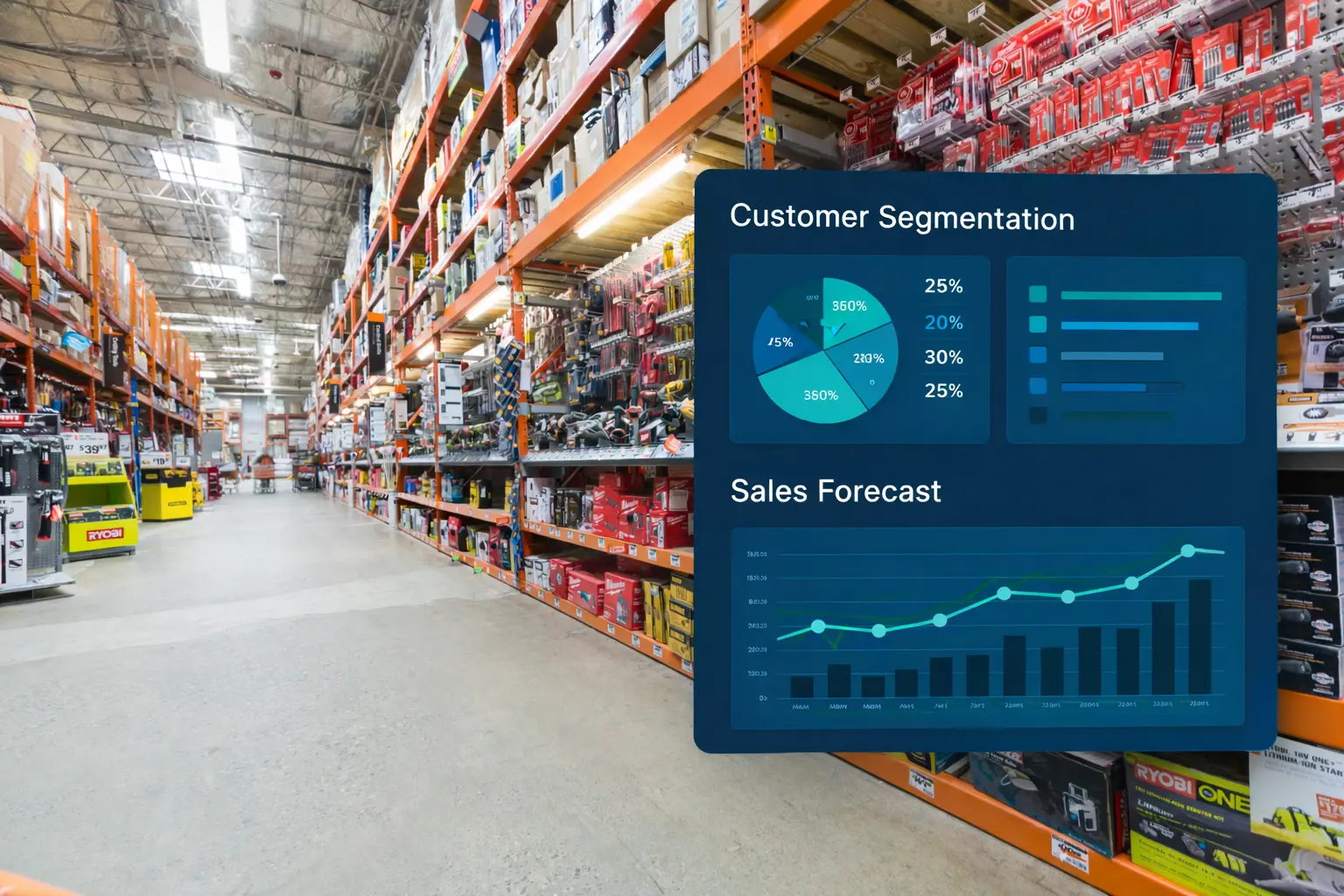
Sales Forecasting, Segmentation & Anomaly Detection
Explore project
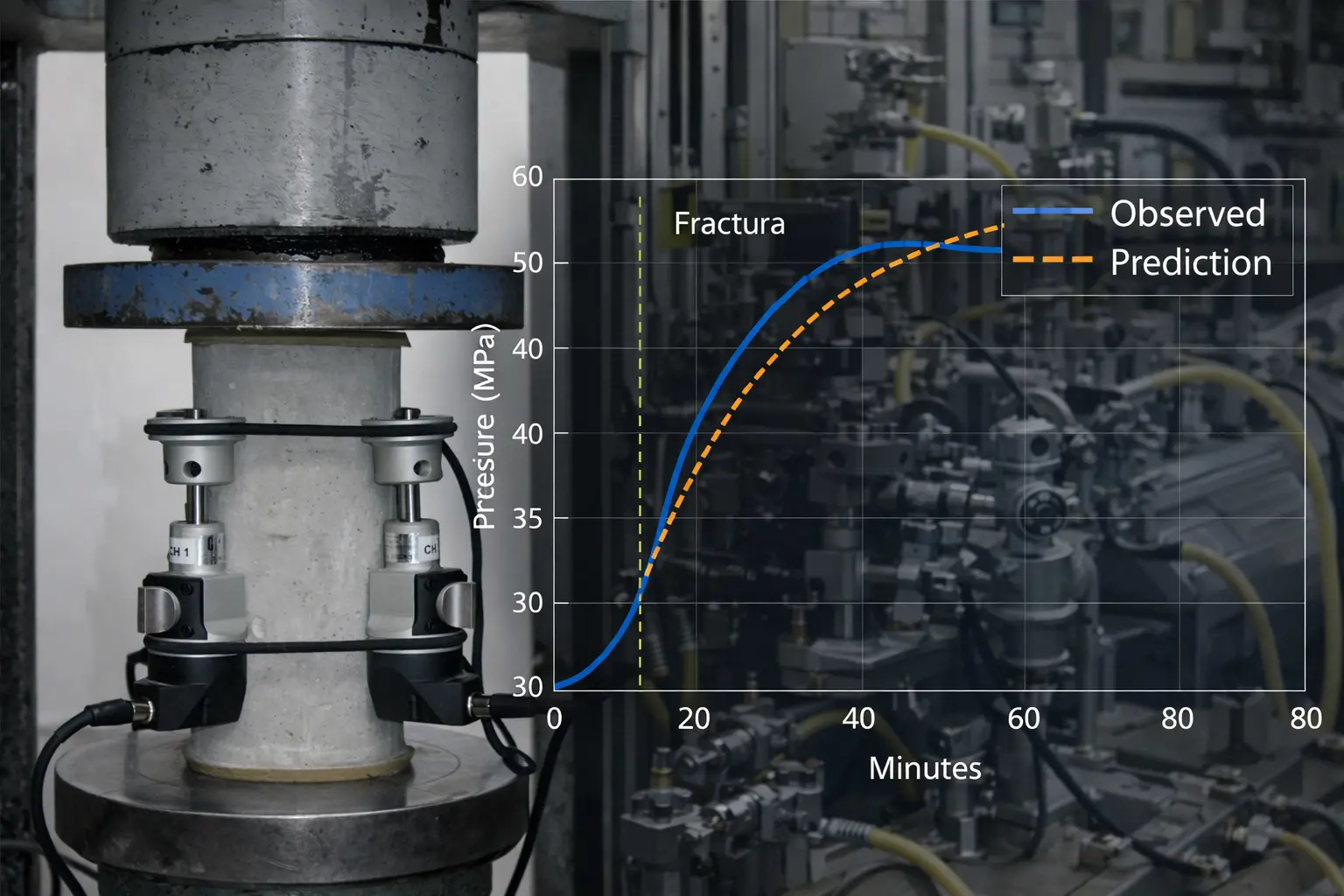
Concrete — Compressive Strength Prediction
Regression on composition vs. strength across different curing times
Explore project
Grocery Price Prediction
Regression on local prices + lowest-cost nutritional optimization
Explore project
See How Others Got Unstuck
Real stories from projects like yours.

María G.
Stress causes in university students

"My biggest challenge was analyzing the data, but with Alan's support I was able to finish everything on time. I had doubts at first, but I'm glad I went ahead."
Joel Bonilla
Universidad de Glasgow, Escocia, Reino Unido.

Fernando L.
Bridge failure prediction

"I was stuck with my project, but the sessions helped me understand that I first needed to narrow down the scope. After that, Alan guided me through development and training."

William P.
Investment fund forecasting

"The templates helped me get started. They don't solve the entire project — but they're a solid foundation and absolutely worth the price."
Carlos R.
ML model deployment on AWS

"I needed to build an MVP. Alan helped me with the deployment and taught me how to maintain it afterward — exactly what I needed."
Need more help?

Does your thesis require data analysis or model training,
but you're running into difficulties?
Let's work together
- 1 First, we define the real scope of your project
- 2 I design a clear work plan to achieve your goals
- 3 We build your project together — and I train you so you truly understand it
10+ years experience · Real-world projects · Remote LATAM · Ethical approach

10 Minutes to AI Project Clarity
A practical framework to define scope, validate feasibility,
and move forward with confidence.